
The Ultimate Guide to Cleaning and Servicing Your Wood Burning Stove: Maximise Efficiency and Longevity
There is nothing quite like the soul-warming glow of a wood-burning stove. It’s the heart of the home during a British winter, turning a cold Tuesday evening into a cinematic retreat. However, as the old saying goes, "with great fire comes great responsibility."
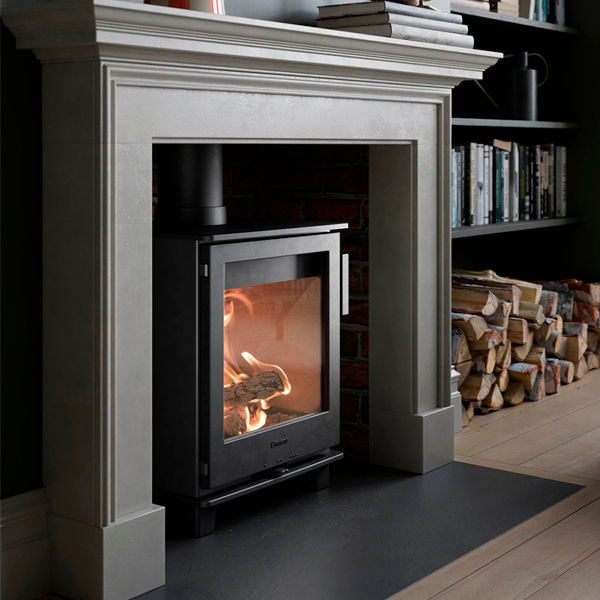
At The Living Fire Centre, we don’t just sell stoves; we champion the art of the perfect burn. Whether you’ve just installed a modern EcoDesign-ready model or you’ve been stoking the same hearth for a decade, regular maintenance is the difference between a smoky, sluggish fire and a roaring, efficient heat source.
In this comprehensive guide, we’ll walk you through everything you need to know about cleaning and servicing your wood burner. Plus, we’ll show you how our team at The Living Fire Centre can take the heavy lifting off your hands.
Why Wood Burning Stove Maintenance Isn't Optional
Before we get our hands dirty, let’s talk about the "why." A neglected stove isn't just an eyesore; it’s a drain on your wallet and a potential safety hazard.
Efficiency: Soot and ash buildup acts as an insulator—but not the good kind. It prevents heat from radiating effectively into your room, meaning you burn more wood for less warmth.
Safety: The primary cause of chimney fires is the buildup of creosote (a tar-like substance). Regular cleaning keeps this at bay.
Longevity: Wood burners are an investment. Replacing internal parts like baffle plates or firebricks is much cheaper than replacing an entire warped stove body caused by overheating or neglect.
Air Quality: A clean stove burns "cleaner," reducing the particulate matter released into the atmosphere and keeping your home’s air fresh.
The Daily & Weekly Routine: Keeping on Top of the Glow
You don’t need a degree in engineering to keep your stove happy. A few minutes of attention each week can prevent a massive cleanup job later.
1. Managing the Ash
Unlike coal fires, wood-burning stoves actually perform better with a thin layer of ash (about 1 inch) on the grate. It protects the base and helps insulate the heat for a more efficient burn.
The Tip: Only empty the ash pan when it’s nearing the top. If ash touches the underside of the grate, it can cause the metal to overheat and warp.
Safety First: Always use a metal ash bucket. Embers can stay hot for over 24 hours, and the last thing you want is a melted plastic bin in your kitchen!
2. The "Clear View" Glass Trick
Nothing ruins the aesthetic of a living fire like blackened, soot-stained glass.
The Pro Method: You don’t need expensive chemicals. Take a piece of damp newspaper, dip it into the fine white wood ash from your stove, and scrub the glass in a circular motion. The ash acts as a gentle abrasive. Wipe it clean with a dry cloth, and voila -crystal clear views.
The Living Fire Centre Advice: If the glass is blackening constantly, you might be "slumbering" your fire (burning it too low) or using wood with a moisture content above 20%.
The Deep Clean: A Step-by-Step Guide
Once or twice a season (and certainly before you light the first fire of autumn), your stove deserves a deep clean. Here is how to do it like a pro:
Step 1: Inspect the Firebricks
Firebricks line the inside of your stove to reflect heat back into the firebox. Over time, they can crack.
What to look for: Small hairline cracks are usually fine. However, if a brick is crumbling or a large chunk has fallen out, it needs replacing. These bricks protect the outer steel/cast iron shell from melting.
Step 2: The Baffle Plate (The Throat Plate)
The baffle plate is the removable metal sheet located at the top of the firebox. It’s designed to redirect the flames and gasses to ensure they burn completely before heading up the chimney.
The Task: Carefully remove the baffle plate. You will likely find a "dune" of soot and ash sitting on top of it. Brush this off into the firebox and vacuum it up. If soot builds up here, it can block the flue entirely.
Step 3: Check the Door Seals (The Rope Test)
Your stove relies on an airtight seal to control the airflow. This is managed by a fiberglass rope tucked into the door frame.
The Paper Test: Close the stove door on a single sheet of paper. Try to pull the paper out. If it slides out easily, your rope seal is compressed and needs replacing. If it stays firm, your seal is still doing its job.
Step 4: Vacuuming the Internals
Using a dedicated ash vacuum (standard household vacuums can’t handle fine ash and may blow it back into the room), clean the nooks and crannies around the grate and the air inlets.
The Chimney: The Engine of Your Fire
You can have the cleanest stove in the world, but if your "exhaust pipe" is blocked, you're in trouble.
How often should you sweep?
Seasoned Wood: At least once a year.
Smokeless Fuel: At least once a year.
Bituminous Coal: Twice a year.
At The Living Fire Centre, we recommend booking a chimney sweep in the spring or summer. If you wait until the first cold snap in October, you'll be joining a very long waiting list! A professional sweep doesn't just clear soot; they check for bird nests, structural damage, and creosote buildup that could lead to a chimney fire.
Common Stove Ailments & How to Fix Them
Symptom | Potential Cause | The Fix |
Glass blackening quickly | Damp wood or restricted airflow. | Use "Ready to Burn" certified wood; open air vents more. |
Smoke leaking into the room | Blocked flue or poor "draw." | Get the chimney swept; check for bird nests. |
Fire dies out too fast | Poor quality wood or too much "primary" air. | Use hardwoods like Oak or Ash; adjust air controls. |
Rust spots on the stove | Moisture in the air during summer. | Gently sand with fine steel wool and apply stove paint. |
How The Living Fire Centre Can Help
Maintenance can feel like a chore, but it doesn't have to be. As your local experts, we offer a range of services to keep your hearth healthy:
1. Professional Servicing
Not confident taking your baffle plate out? Our technicians can perform a full multi-point service. We check the seals, inspect the bricks, lubricate the hinges, and give the stove a professional polish that makes it look brand new.
2. Genuine Spare Parts
We stock a huge range of replacement parts for leading brands. Whether you need a new glass pane, a custom-cut firebrick, or a specific length of thermal rope, we have the stock and the knowledge to get you the right part the first time.
3. Expert Advice on Fuel
The best way to keep a stove clean is to burn the right fuel. We can advise you on the best local suppliers for "Ready to Burn" timber and help you understand how to use your air controls to minimize soot production.
4. Showroom Inspiration
Sometimes, an old stove is simply beyond its prime. If your current stove is cracked, warped, or highly inefficient, visit our showroom. We can show you the latest EcoDesign models that stay cleaner for longer and use 70% less fuel than older models.
Summary Checklist for Stove Owners
To make things easy, here is your "Stove Health" calendar:
Daily: Check ash levels; use the "Airwash" system to keep glass clear.
Weekly: Wipe down the glass; inspect the exterior for dust.
Monthly: Check the rope seal and look for cracks in the firebricks.
Annually: Professional sweep and full service by The Living Fire Centre.
Conclusion
A wood-burning stove is more than just an appliance; it’s a lifestyle choice that brings comfort and character to your home. By spending a little time on maintenance now, you ensure that your fire remains a safe, efficient, and beautiful feature for years to come.
Don't wait for the frost to bite before checking your hearth. Whether you need a spare part, a professional service, or just some friendly advice on which wood to burn, we are here to help.


The tip about using damp newspaper dipped directly into fine white wood ash to gently scrub soot off stove glass without harsh chemicals is such a clever, practical trick. It really shows how simple routine maintenance can make a huge difference in keeping a fireplace looking great while maintaining high heating efficiency throughout the colder months. Balancing environmental science modules, home maintenance research, and heavy university writing assignments can easily turn into an overwhelming test of time management during a busy term. During a particularly demanding semester last year when energy efficiency studies, home ecology reports, and end-of-year milestone projects all landed at the same time, a classmate mentioned seeking structured support through New Assignment Help to keep their study…
I’ve been meaning to get better about cleaning my stove before spring, and your point about the difference between a smoky, sluggish fire and an efficient one really hit home. The EcoDesign-ready maintenance tips are super helpful too. By the way, I keep a free transmission fluid reference guide I like to share: https://transmissionfluid.net/
I appreciated the clarity with which the various concepts are explained. The explanations are direct and get straight to the point. I have already reread some sections to explore certain aspects better. It is a text that stands out for the quality and clarity of the information.
hi
I found the section about regularly cleaning out ash and checking the flue particularly interesting, especially how those small maintenance steps can have such a noticeable impact on efficiency and safety. It’s easy to overlook those details until something starts to go wrong, which makes the whole process feel more important than it might seem at first. It also made me think about how staying on top of the basics applies in other areas too, like when working through technical problems where I’ve sometimes leaned on something like Java Assignment Helper UK just to make sure I haven’t missed anything fundamental. Do you think most people only realise the importance of this kind of upkeep after they’ve already had issues?